Winter in Georgia doesn’t usually involve snow and heavy coats, but it can still place added stress on the body. Cooler mornings, warmer afternoons, dry indoor air, travel, and full schedules can quietly affect how you feel day to day. Many people notice lower energy, disrupted sleep, or a general sense of feeling run down as the season progresses.
Supporting your immune system during winter does not require extreme routines or a long list of supplements. In most cases, it comes down to consistency and paying attention to the basics your body relies on every day.
Below are practical, realistic ways to support immune health through the winter months without overcomplicating your routine.
Prioritize hydration, even when you are not thirsty
Colder weather often reduces the sensation of thirst, but your body still needs adequate hydration to function well. Add dry indoor heating and busy schedules, and dehydration can easily go unnoticed.
Hydration supports circulation, nutrient delivery, and immune cell movement. Even mild dehydration can contribute to fatigue, headaches, and difficulty concentrating.
Simple ways to stay hydrated:
- Drink water before your morning coffee
- Keep a water bottle nearby throughout the day
- Add electrolytes if you work outdoors, exercise regularly, or sweat
Waiting until you feel thirsty usually means you are already behind.
Vitamin D plays a key role in immune health
Even in Georgia, winter sunlight is often not strong enough to maintain optimal vitamin D levels. Shorter days and more time indoors contribute to deficiencies that many people never realize they have.
Vitamin D supports how the immune system responds, not just whether it responds. Low levels are often associated with fatigue, low mood, and frequent illness.
Support your immune system through your gut

A significant portion of the immune system is linked to gut health. Winter eating habits, stress, and travel can disrupt that balance without obvious symptoms at first.
You do not need drastic dietary changes to support the gut.
Helpful habits include:
- Including fiber regularly through vegetables, beans, or whole grains
- Adding fermented foods such as yogurt, kefir, or sauerkraut
- Avoiding cycles of extreme restriction followed by overeating
A balanced gut supports a more stable immune response.
Don’t underestimate the role of protein
Protein is essential for building and maintaining immune cells. During busy seasons, people often eat less protein than their body needs, especially at breakfast and lunch.
Low protein intake can show up as low energy, slower recovery, or feeling depleted.
Aim to include protein at each meal. Eggs, fish, poultry, beans, and Greek yogurt are all accessible options.
Sleep is where immune work actually happens
Sleep is where much of the immune system’s recovery and regulation happens. No supplement can replace consistent, quality sleep.
During winter, changes in routine often disrupt sleep patterns.
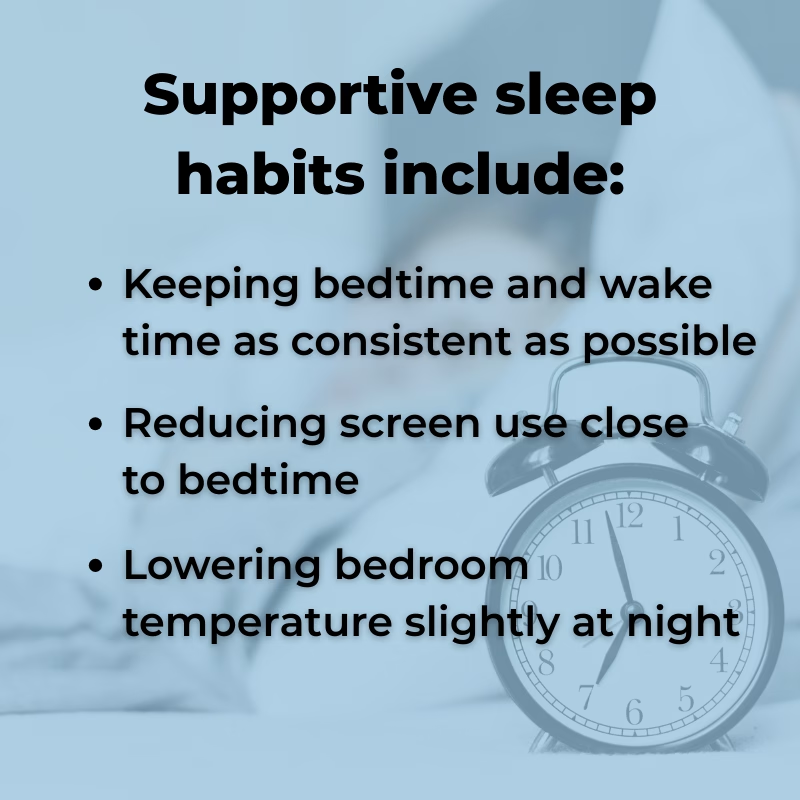
Even an additional 30 to 45 minutes of quality sleep can make a noticeable difference.
Move your body without pushing through exhaustion
Regular movement supports circulation and immune function. However, pushing through fatigue or overtraining can have the opposite effect.
Walking, gentle strength training, stretching, and mobility work are often more supportive in winter than intense routines.
Pay attention to how your body responds rather than sticking rigidly to a schedule.
Stress management supports immune balance
Ongoing stress affects immune function more than many people realize. While stress cannot be eliminated completely, it can be managed in small, consistent ways.
Helpful practices may include:
- Short walks outdoors
- Scheduled downtime in the evening
- Brief breathing or quiet time before bed
Predictable decompression helps the immune system function more effectively.
Recognize when extra support may be helpful
During the winter months, certain nutrients can offer extra support when your body is under stress, feeling depleted, or recovering from travel or illness. While supplements are not a replacement for foundational habits, they can help fill gaps when the body needs a little more support.
Zinc
Zinc plays a role in immune cell function and is often used to support the body during early signs of illness. It can also support energy levels when the immune system is working harder than usual.
Vitamin C
Vitamin C supports immune defense and helps the body respond to seasonal stress. It also plays a role in collagen production and may support recovery and energy, especially during busy or demanding periods.
Glutathione
Glutathione is often called the body’s master antioxidant. It supports detoxification pathways, helps reduce oxidative stress, and may assist with overall energy and recovery. Many people find glutathione helpful during times of fatigue or increased inflammation.
These nutrients can be taken orally, and some individuals choose targeted wellness support such as vitamin injections or IV therapy for more direct absorption. This approach can be useful during high-stress periods, after travel, or anytime you feel your body needs extra support.
Pay attention to early signals from your body
Immune imbalance rarely appears suddenly. It often begins with subtle signs, including:
- Lingering fatigue
- Brain fog
- Poor sleep quality
- Slower recovery
- Muscle tension
These signals are often cues to slow down and support the body rather than apply more pressure.
A steady approach matters most
Supporting immune health through winter does not require perfection. Consistent hydration, balanced nutrition, adequate sleep, stress management, and thoughtful recovery make a meaningful difference over time.
Small, steady choices are often more effective than extreme measures, especially during busy seasons.